
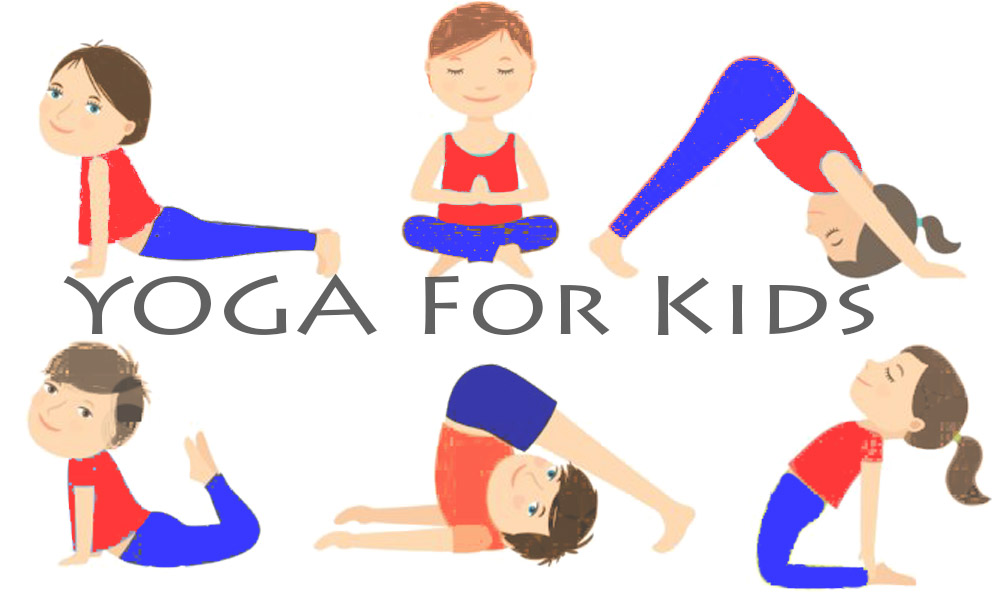
Yoga for kids should be playful, short, age-appropriate and supervised. The goal is not perfect flexibility or long holds. A useful class helps children explore movement, breathing, balance and rest without competition or pressure.
Children develop at different rates. A pose that is comfortable for one child may not suit another. Parents and teachers should keep instructions simple, observe each child and stop any activity that causes pain, fear, dizziness or distress.
Navigator
Core Safety Rules for Children
- Use a clear, non-slip practice area away from furniture and sharp objects.
- Keep sessions short and include frequent changes of position.
- Never force a child’s joints, press them deeper into a pose or compare flexibility.
- Use natural breathing. Avoid breath retention, rapid breathing and intense cleansing practices.
- Do not teach unsupported headstands, deep backbends, strong binds or risky partner balances in a general children’s session.
- Children with an injury, disability or health condition need guidance suited to their individual needs.
A Simple 15-Minute Yoga Sequence for Kids
- Arrival breath: Sit or stand comfortably and take three quiet breaths without trying to make them unusually deep.
- Mountain Pose: Stand tall with feet comfortable, arms relaxed and eyes looking forward.
- Star Pose: Step the feet apart and stretch the arms wide, then return to Mountain Pose.
- Cat-Cow movement: On hands and knees, gently round and lengthen the spine without dropping deeply into the lower back.
- Child’s Pose option: Sit back toward the heels with knees comfortable, or rest upright if folding does not feel good.
- Tree Pose with support: Keep one hand on a wall and place the lifted foot below the knee, never directly on the knee joint.
- Small Cobra: Lie on the abdomen and lift the chest slightly using the back muscles while keeping the hands light.
- Butterfly movement: Sit with the soles of the feet together and let the knees move gently without pressing them down.
- Rest: Lie down or sit quietly for one or two minutes with normal breathing.
Breathing Activities for Kids
Soft Belly Breathing
Place a hand or a light soft toy on the abdomen and notice its natural movement. Do not ask the child to take the biggest possible breath.
Bee Humming
Take an easy breath in and make a soft humming sound while breathing out. Keep the sound comfortable and stop after a few rounds.
Smell the Flower, Cool the Soup
Imagine smelling a flower gently through the nose, then cooling soup with an easy breath out. This is a playful breathing cue, not a strict pranayama ratio.
Avoid breath holding and forceful breathing. Children should be able to speak normally and stop whenever they choose.
Age-Appropriate Teaching Ideas
Ages 3 to 5
Use animal names, songs and movements lasting only a few breaths. Keep instructions very simple and allow children to watch rather than participate.
Ages 6 to 9
Use short sequences, balance games and simple breathing activities. Alternate active movement with quiet pauses.
Ages 10 to 13
Introduce clearer alignment, personal choice and non-competitive practice. Explain that bodies differ and that discomfort is a reason to modify, not push harder.
Teaching Tips for Parents and Instructors
- Demonstrate choices rather than one compulsory version.
- Use props, walls and chairs when they make practice steadier.
- Give children permission to rest or opt out.
- Avoid comments about body shape, weight or being the most flexible.
- End with a brief quiet activity instead of requiring complete stillness.
Possible Practice Benefits
A well-designed children’s yoga session may support movement awareness, coordination, balance, attention and familiarity with calm breathing. It can also offer a structured way to move and rest together. These are educational possibilities, not guaranteed outcomes or treatment claims.
Present children’s yoga as age-appropriate movement, breathing and rest education rather than as a promise about behaviour, development or health.
When to Stop or Seek Individual Guidance
- Stop for pain, dizziness, faintness, breathing difficulty, numbness or unusual distress.
- Do not continue after a recent injury or operation without appropriate clearance and individual instruction.
- Children with seizures, heart or breathing conditions, joint instability or other health needs require guidance from their healthcare professional and a suitably trained teacher.
- Use specialist support for children who need adapted movement, communication or sensory conditions.
Frequently Asked Questions
How long should children practise yoga?
Short sessions are usually more suitable than long classes. Ten to twenty minutes can be enough, depending on age, interest and the activity.
Can children practise pranayama?
They can explore gentle breathing awareness and soft humming. Strong techniques, long ratios and breath retention are not suitable for a general children’s class.
Should children stretch as far as adults?
No. Children should use their own comfortable range without pressure, assistance or comparison.
Related SarvYoga Guides
Safety Reference
The National Center for Complementary and Integrative Health advises practising yoga properly with qualified guidance. It also notes that children, pregnant people, older adults and people with health conditions may need individual instruction or modifications. See Yoga: Effectiveness and Safety.