
When attention feels scattered, a short and familiar sequence can make practice easier to follow. This routine uses repeated movements, simple poses and quiet breathing rather than complex transitions.
Navigator
Set a realistic practice length
Begin with ten minutes. A shorter sequence practised consistently is often more useful than a long session that feels difficult to repeat. Keep a chair and blanket nearby.
Simple sequence
Seated shoulder movement
Sit on a chair or folded blanket. Lift and release the shoulders slowly. Circle them in both directions without pushing the chest forward.
Side-to-side movement
Raise one arm and lean slightly to the opposite side. Return to the centre before changing sides. Keep both sitting bones grounded.
Tabletop movement
Come onto hands and knees, or place the hands on a chair. Gently round and lengthen the spine. Let the movement follow comfortable breathing.
Standing balance near a wall
Shift weight into one foot and lightly lift the opposite heel. Keep one hand on a wall. Change sides after several breaths.
Supported forward fold
Place the hands on a chair and step back. Bend the knees and lengthen the spine. Stay only while the neck and shoulders remain easy.
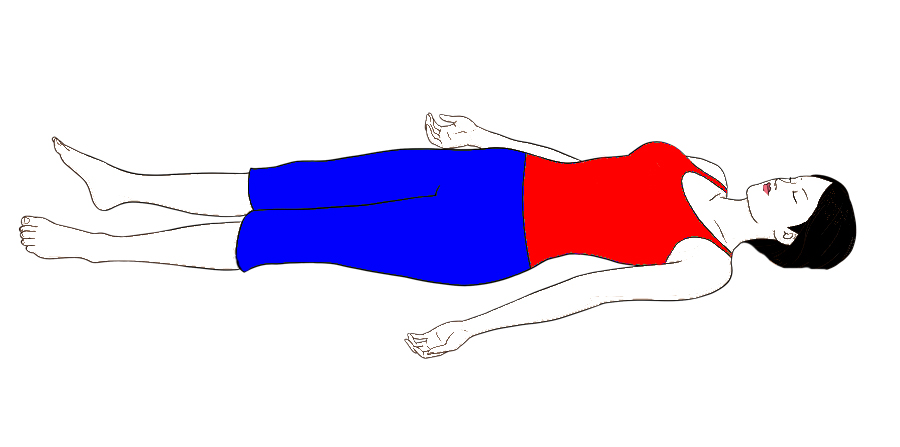
Quiet rest
Lie down or sit supported against a wall. Let the hands rest and notice the breath without trying to control it.
Breath awareness
Observe where the breath is easiest to feel. Avoid forceful breathing. A gentle humming practice such as Bhramari Pranayama can be learned gradually with teacher guidance.
Ways to reduce distraction
- Use the same sequence for several days.
- Keep the phone outside the practice area.
- Choose one visual focus during balance poses.
- Pause for one breath before each transition.
- Finish with at least two quiet minutes.
Common mistakes
- Changing the sequence every day.
- Judging the practice by flexibility.
- Holding the breath during concentration.
- Skipping rest because the practice feels short.
Practice limits
Keep movement steady, voluntary and comfortable. Stop when a pose causes sharp discomfort, dizziness or instability. Learn unfamiliar movement and breathing practices from a qualified yoga teacher.
Very helpful post. I would like to try out these ways that can help me to reduce my anxiety and also would like to share it with my friends as this might be helpful to them. Keep sharing such helpful tips with the readers.