
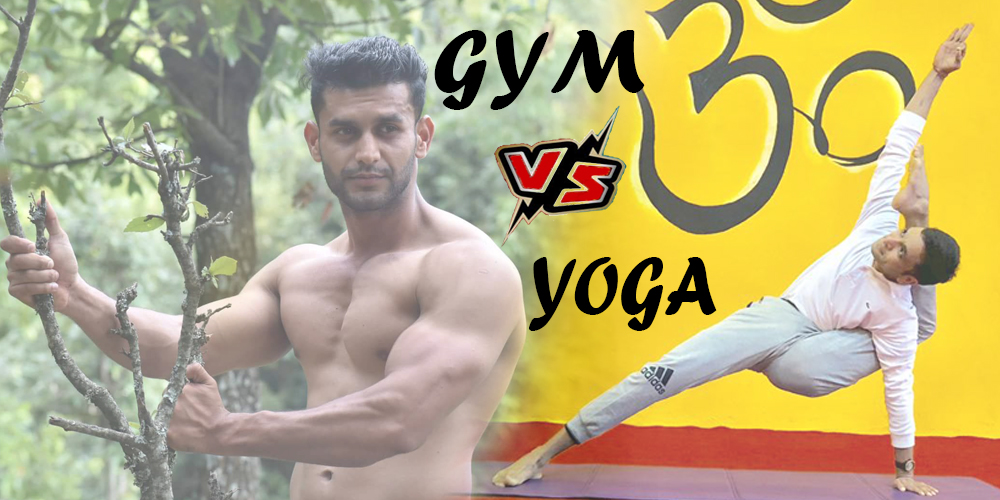
Yoga and gym training both use structured movement, but they organise effort in different ways. This guide compares them from a yoga-education perspective rather than declaring one universally better.
Navigator
Movement and Intention
Gym sessions may organise movement around resistance, repetition or conditioning. Yoga practice may organise movement around posture, breathing, attention and a clear entry and exit from each shape.
Breathing and Attention
In yoga, breathing is usually kept natural and coordinated with movement. Attention is directed toward alignment, effort, balance and the point at which a pose should be modified or released.
Pace and Progression
Both settings benefit from gradual progression. In yoga, a simpler variation with steady breathing is preferable to forcing a deeper posture. In gym training, load and repetition should also remain appropriate to the practitioner’s current ability.
Rest and Recovery
Yoga commonly includes stillness or supported rest at the end of practice. A gym session may use a different recovery structure. Neither approach needs to be treated as a shortcut or as a certain path to a particular outcome.
Can They Be Combined?
They can be combined when the weekly schedule leaves enough time for rest and when strong sessions are not stacked without recovery. A short yoga sequence can be used for mobility, breathing and body awareness on lighter days.
Choosing a Practice
Choose according to the skills you want to practise, the instruction available and the amount of time you can follow consistently. Learn unfamiliar yoga postures from a qualified yoga teacher and avoid comparing your range with another person’s.
Its depend on. Yogo vs GYM: Just do it