

A grounding yoga practice gives attention to contact with the floor, steady transitions and natural breathing. The aim is not to force stillness. It is to move in a clear, manageable way and finish with enough time to rest.
Navigator
How to begin
Choose a quiet space and place a mat on a stable surface. Keep a chair, folded blanket and two blocks nearby. Stand or sit comfortably for several breaths before beginning.
Grounding sequence
Mountain Pose
Stand with the feet comfortably apart. Feel the heels and the bases of the toes pressing evenly into the floor. Let the arms rest by the sides and keep the gaze soft.
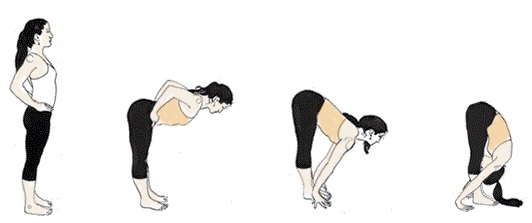
Supported forward hinge
Place the hands on a wall or chair. Step back until the spine can lengthen without pulling through the shoulders. Keep the knees slightly bent and breathe naturally.
Low lunge with blocks
Step one foot forward and lower the back knee. Place blocks beneath the hands. Keep the front knee steady and repeat on the other side.
Comfortable seated pose
Sit in Sukhasana or on a chair. Notice the support beneath the body and allow the shoulders to soften.
Gentle seated twist
Turn slightly from the ribs while keeping the pelvis stable. Return to the centre before changing sides. Avoid pulling with the arms.
Resting pose
Finish in Savasana or place the lower legs on a chair. Use a folded blanket beneath the head when needed.
Breathing approach
Keep the breath quiet and unforced. Notice whether the exhalation can finish without pushing. Do not hold the breath during balance work or transitions.
Useful modifications
- Complete the standing work with one hand on a wall.
- Use a chair instead of lowering to the floor.
- Place blocks beneath the hands during lunges and folds.
- Keep the eyes open during the final rest when that feels more comfortable.
Common mistakes
- Moving too quickly between poses.
- Forcing the breath into a fixed count.
- Locking the knees in standing positions.
- Using the arms to pull farther into a twist.
Practice limits
Remain within a stable and comfortable range. Stop when a position causes sharp discomfort, dizziness or loss of balance. Use props freely and learn unfamiliar poses from a qualified yoga teacher.