
Surya Bhedana Pranayama is a nostril-led breathing practice in which inhalation is associated with the right nostril. The Sanskrit word surya means sun, while bhedana can mean piercing or passing through. Traditional explanations connect the practice with the solar quality of attention and purposeful effort.
For a beginner, the useful starting point is gentle nostril control without breath retention. The breath should remain quiet, unforced and easy to stop. Advanced ratios, locks and long holds belong in direct teacher-led study.
Navigator
Prepare a Steady Seat
Sit on a folded blanket, meditation cushion or firm chair. Let the pelvis feel level and lengthen the spine without making the chest rigid. Rest the left hand on the thigh. Keep the face, jaw and throat relaxed.
- Choose a seat that permits several minutes of comfortable stillness.
- Observe natural breathing before changing the nostril pathway.
- Clear the hand position before beginning a round.
- Start with a small number of breaths and generous pauses.
- Keep the practice separate from strong breathing techniques.
Padmasana is optional. A simple cross-legged seat or chair is fully suitable.
Hand Position
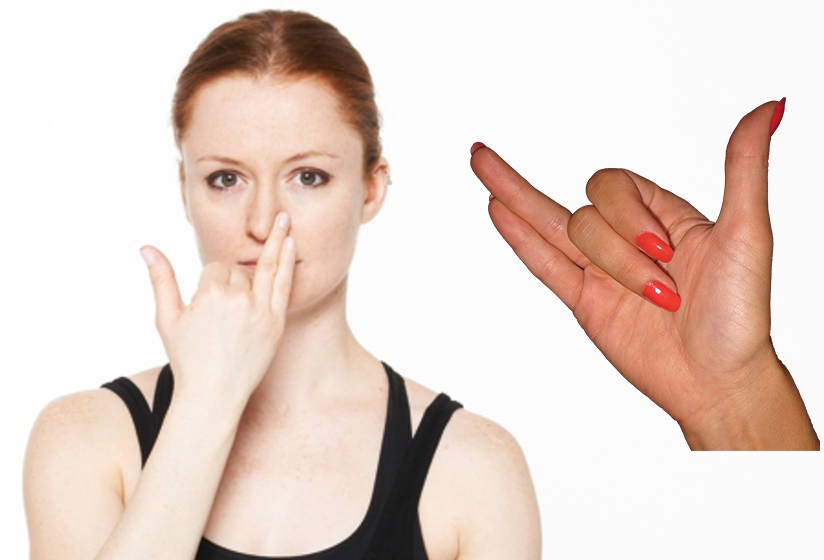
Raise the right hand and bend the index and middle fingers toward the palm, or rest them lightly between the eyebrows if that is comfortable. The thumb can close the right nostril and the ring finger can close the left. Use only enough touch to guide the airflow.
Keep the elbow soft and the shoulder relaxed. If the arm tires, support the elbow with the left hand or a folded blanket. The hand gesture should not pull the head forward.
Beginner Steps Without Retention
- Sit steadily and take two or three ordinary breaths.
- Close the left nostril gently with the ring finger.
- Inhale through the right nostril at a comfortable pace.
- Release the left nostril and close the right with the thumb.
- Exhale through the left nostril without extending the breath forcefully.
- Lower the hand and take one natural breath if needed.
- Repeat for three to five quiet rounds.
- Finish with both nostrils open and observe ordinary breathing.
This simple right-in, left-out pattern is enough for initial study. Some lineages teach a different exhalation pathway or later add retention. Follow one coherent method from a qualified yoga teacher rather than combining instructions.
Breath Pace and Attention
Use an even, moderate inhalation and a smooth exhalation. Counting is optional. When a count helps, choose a short equal count that creates no strain. The aim is coordination, not the longest possible breath.
Keep attention at the nostrils and notice whether the hand remains gentle. If the sound becomes rough or the shoulders begin to lift, shorten the breath and return to a natural rhythm.
Common Mistakes
- Pressing the nostrils so firmly that the face tightens.
- Raising the right shoulder with the hand.
- Trying to inhale more air than feels comfortable.
- Adding breath retention before the basic pathway is clear.
- Increasing the number of rounds after the rhythm becomes uneven.
- Mixing Surya Bhedana with several active techniques in one beginner session.
Sequencing the Practice
Surya Bhedana is generally clearer after a few minutes of quiet sitting and before a closing period of natural breathing. Keep early sessions short. Do not immediately follow it with another unfamiliar nostril practice; first let the breath settle.
Compare the method with Chandra Bhedana, which begins through the left nostril, and with Nadi Shodhana, which alternates the pathway in a balanced pattern.
Practice Effects
The technique develops familiarity with nostril control, steady seated posture and deliberate breath pacing. Traditional descriptions use solar language to explain its directional quality. Practitioners can regard these descriptions as part of yogic context while observing their own practice carefully.
Practice Limits
Stop if there is dizziness, pressure, agitation, breath hunger or loss of coordination. Return to ordinary breathing with both nostrils open. Do not add fast pacing, long rounds, retention, bandha or a demanding ratio without direct instruction.
Frequently Asked Questions
Must I hold the breath?
No. Beginners can learn the nostril pathway with continuous breathing and no retention.
How many rounds should I practise?
Begin with three to five quiet rounds. Stop earlier whenever posture or breathing loses ease.
Can I sit on a chair?
Yes. Keep both feet grounded and the spine comfortably upright.
Explore SarvYoga Pranayama Guides
- Pranayama breathing-practice hub
- Traditional context of pranayama
- Bhastrika Pranayama
- Kapalbhati Pranayama
- Bahya Pranayama
- Anulom Vilom Pranayama
- Nadi Shodhana Pranayama
- Ujjayi Pranayama
- Udgeeth Pranayama
- Pranav Pranayama
- Sheetkari Pranayama
- Sheetali Pranayama
- Chandra Bhedana Pranayama
- SarvYoga asana library
Hi ,
Very nicely explained chandra and surya bhedan pranayam with benefits .
can we do this pranayam one by one ,whats the best time to do it ?
Thanks for your precious comment, yes you can do these pranayamas in sequence (one by one) and the best time for Pranayama is Morning but if you don’t have ample time, then you can also perform in evening also. but follow the instructions in a right manner
Thank You,
May God bless you
May I please know the duration of Surya Bhedna Pranayama. I suffer from obesity and joint pains. Thank you.
If you’re a beginner Then perform Surya Bhedana Pranayama around five minutes. Day by day increase its time. Remember one thing avoid this Breathing technique in High B.P. Also perform Kapalbhati & Nadi Shodhana Pranayama.You can also Take Tulsi Giloy Juice for your problem.
For Joint Pain perfrom Tadasana, Makrasana, Bhujangasana, Adho
excellent presentation. Thank You
Regarding Surya Bheda and Chandra Bheda Pranayamas; the Entire description for those are interchanged. Bheda means against. Suryabheda means against Surya Nadi that is Pingala, that is not breathing from right nostril. Breath is taken in through left and breath is Released through Right, so the hot air from the body is thrown out. This controls the body temperature by reducing heat from the body.
The Same applies with Chandrabheda pranayama also. Please ensure complete reference from any Old Texts regarding Pranayama before publishing. Because people who follow this get reverse results and get side effects. I wish you people consider this and taking care before publishing to the foreign followers.
Thank you
M S. S. Shankar
Master Jiva-Brahmaikya Kundalini Raja Yoga Sadhana
Hyderabad