
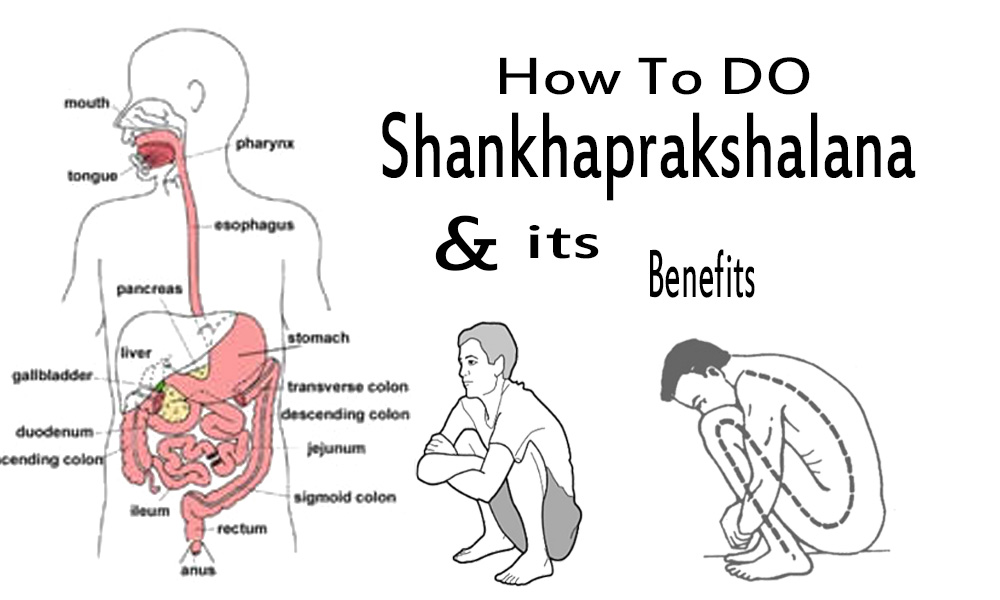
Shankhaprakshalana is described in modern yoga teaching as an advanced cleansing practice associated with the broader Shatkarma tradition. It is not a beginner posture sequence and should not be treated as a routine home exercise. This page explains its place in yoga education without giving a self-practice procedure.
Navigator
Meaning of Shankhaprakshalana
The name is commonly explained through two Sanskrit words: shankha, often translated as conch, and prakshalana, meaning washing or cleansing. The expression is used for a structured yogic cleansing process taught within particular lineages and training settings.
Place within Shatkarma
Shatkarma refers to a group of traditional cleansing disciplines studied alongside asana, pranayama, mudra, bandha and meditation. These practices are not all equal in difficulty. Some are introductory, while others require detailed preparation, observation and in-person instruction.
Why context matters
Advanced yogic practices cannot be understood from isolated instructions alone. Their traditional use may depend on the teacher, lineage, sequence, timing, preparation and the practitioner’s prior experience. Removing those conditions can change the character of the practice.
Educational study before practice
Understand the purpose within a lineage
Different schools may explain the practice in different ways. A student should first understand how the chosen yoga tradition places it within a larger programme of study.
Build a stable foundation
Regular asana, comfortable sitting, natural breathing and familiarity with basic yoga discipline should come before advanced cleansing work. Consistency is more important than rushing toward difficult methods.
Learn the complete sequence in person
Shankhaprakshalana includes more than a list of movements. The order, pacing, observation, stopping point and follow-up routine are part of the teaching. These details should be learned directly from a qualified yoga teacher experienced in the practice.
Allow time for rest
Traditional instruction may include a quiet period after the main practice. The day should not be planned like an ordinary workout session. Rest and careful observation are part of the learning environment.
What this page does not provide
This article intentionally does not give quantities, mixtures, repeated rounds or a home-practice schedule. Advanced Shatkarma should not be copied from a short online checklist. The educational aim here is to explain context and limits.
Common misunderstandings
- Assuming every cleansing practice is suitable for beginners.
- Treating an advanced method as a frequent routine.
- Learning only the movements while ignoring sequence and follow-up.
- Increasing repetitions to make the practice feel more effective.
- Combining several advanced cleansing practices on the same day.
- Following incomplete instructions without teacher observation.
Safer yoga-education alternatives
Students interested in cleansing traditions can begin by studying Shatkarma terminology, practising ordinary asana with careful alignment, developing natural breath awareness and learning foundational techniques directly from a qualified teacher. Gentle practices such as Savasana can support the resting and observational side of yoga study.
Practice limits
Shankhaprakshalana should be treated as an advanced, teacher-led traditional practice rather than a self-directed online routine. Do not improvise the sequence, increase repetitions or combine it casually with other advanced methods. Study it only in an appropriate learning setting with a qualified yoga teacher who understands the complete practice.
can I perform snehapana (homemade ghee consumption) for 3days and then shankhaprakshala on the 4th day?
Do you see anything harmful doing it?
PS: Snehapana is mostly a part of panchakarma, my doubt is can this be clubbed with Yoga kriya, i.e., shankhaprakshalana?