
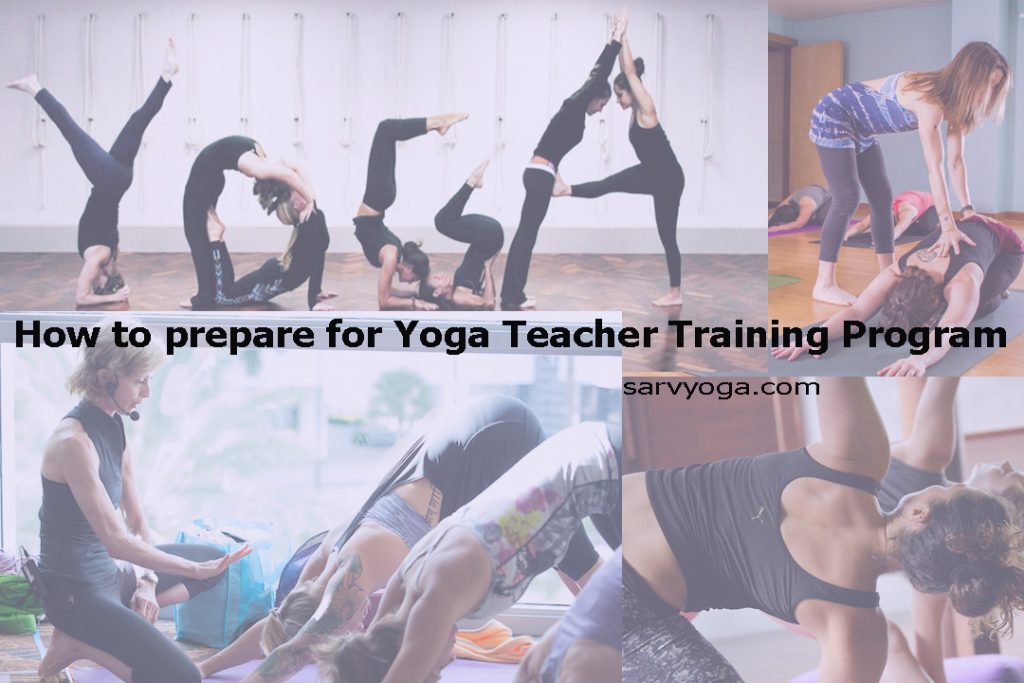
Preparation for yoga teacher training should include steady personal practice, realistic scheduling and careful review of the course curriculum.
Navigator
Review the syllabus
- Asana technique
- Pranayama foundations
- Meditation
- Yoga philosophy
- Teaching methodology
- Observation and supervised teaching
- Assessment requirements
Build a regular practice
Use a consistent sequence that includes standing poses, supported floor work, natural breathing and rest. Avoid trying to learn every advanced pose before the course begins.
Prepare for study
- Keep a notebook.
- Read the required texts.
- Practise using Sanskrit and English pose names.
- Review basic sequencing.
- Write down questions for the trainers.
Plan the schedule
Account for early classes, lectures, assignments, meals, travel and quiet study. Residential programmes may require substantial daily participation.
Prepare practical items
- Comfortable practice clothing
- Notebook and pens
- Personal mat when required
- Strap, blocks and blanket
- Water bottle and suitable footwear
Common mistakes
- Training intensely immediately before the course.
- Ignoring the reading list.
- Leaving no time for rest.
- Expecting the certificate without full participation.
Practice limits
Learn advanced poses, retention, bandha, mudra and cleansing practices progressively under the course trainers’ direct supervision.
Build a Practical Teacher-Training Preparation Plan
Preparation is not about arriving with an advanced practice. It is about creating enough consistency that study, observation and teaching practice can fit into the course without becoming overwhelming. If you are still comparing courses, review our guide on how to choose a yoga teacher training programme before committing to a schedule.
Four areas to prepare
- Personal practice: repeat a balanced sequence several times each week instead of constantly changing routines.
- Study habits: keep one notebook for terminology, sequencing ideas, questions and feedback.
- Observation: notice how teachers give instructions, offer alternatives and manage transitions.
- Schedule: protect time for classes, reading, assignments, rest and ordinary responsibilities.
Practise explaining simple movements
Choose familiar poses and describe the setup in plain language. Keep the instructions short enough that someone could follow them without watching you. This is a useful way to notice where your own understanding is clear and where you still rely on imitation.
It also helps to think beyond the training course itself. Our overview of how to become a yoga instructor explains why continued personal practice, observation and teaching experience matter after certification.
What not to rush
Do not treat difficult poses, long breath retention or memorising large amounts of terminology as prerequisites. A steady foundation, willingness to ask questions and the ability to practise within your present range are more useful starting points.
what is the best time for yoga?
Morning Time is the best time for yoga, If you haven’t ample time, then you can also perform yoga in the evening also.