
Choosing a yoga teacher training course requires more than comparing hours or certificates. The curriculum, teaching practice, faculty experience, ethics and learning environment all matter.
Navigator
Review the curriculum
Look for clear study of asana, pranayama, meditation, philosophy, teaching methods, sequencing, props and practice limits.
Check supervised teaching
A useful course should include opportunities to teach short classes, receive feedback and observe experienced teachers.
Understand the scope
Teacher training does not make every graduate an expert in every yoga style. Specialised areas require further study and supervised experience.
Study ethics
- Respect student boundaries.
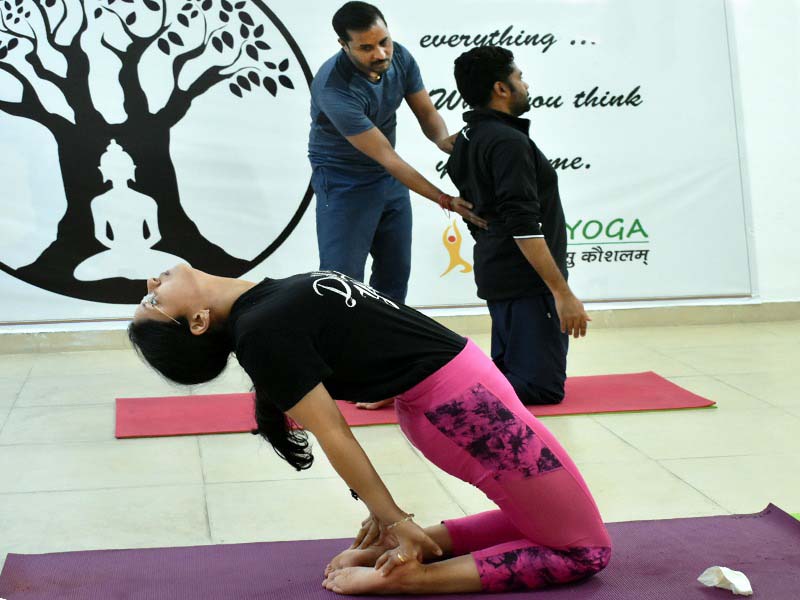
- Use clear consent around hands-on guidance.
- Avoid exaggerated promises.
- Stay within the teacher’s actual training.
- Keep student information private.
Evaluate the faculty
Look for teachers who explain their own training, lineage or study background clearly and who can answer questions about the course structure.
Plan continuing study
Teacher development continues after the first course. Regular personal practice, observation, mentorship and focused workshops remain important.
Common mistakes
- Choosing by price or duration alone.
- Ignoring supervised teaching practice.
- Expecting one course to cover every speciality.
- Overlooking ethics and communication.
Practice limits
Choose a course whose claims match its curriculum and faculty experience. Advanced pranayama, hands-on adjustment and specialised teaching require additional supervised study.