
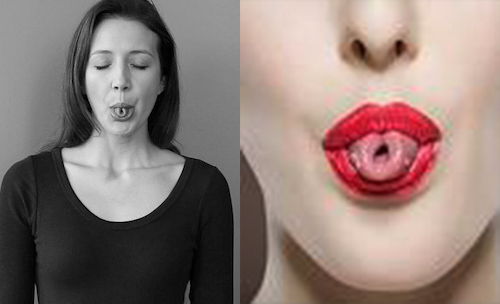
Sheetali Pranayama, also written as Shitali, is a traditional yogic breathing practice in which air is inhaled gently through a rolled tongue and exhaled through the nose. It is commonly described as a cooling breath because the incoming air may feel cool across the tongue.
This beginner guide does not include breath retention or bandhas. Those methods require direct instruction and are not necessary for a basic practice.
Navigator
How to Do Sheetali Pranayama
- Sit in a stable, comfortable position on the floor or on a chair.
- Relax the shoulders and breathe normally through the nose for several breaths.
- Extend the tongue slightly and roll the sides inward to form a tube. Do not strain.
- Inhale gently through the rolled tongue. Keep the breath smooth rather than very deep or forceful.
- Bring the tongue in and close the mouth.
- Exhale slowly and comfortably through both nostrils.
- Pause with normal breathing if needed.
- Begin with three to five easy rounds. Stop before dizziness, dryness or discomfort develops.
When the Tongue Does Not Roll
Not everyone can roll the tongue. Do not force it. A qualified teacher may suggest Sheetkari, a related practice in which air is inhaled gently through the teeth, or another comfortable breathing exercise.
Breathing Guidance
- Keep each breath quiet and comfortable.
- Do not hold the breath.
- Do not add throat or abdominal locks without qualified instruction.
- Return to normal nasal breathing between rounds.
- Stop immediately if you feel light-headed, short of breath or unwell.
Possible Effects and Traditional Context
The practice may create a temporary cooling sensation in the mouth and may provide a calm period of slow breathing. Traditional yoga texts describe broader effects, but claims that Sheetali Keep this explanation focused on yoga practice, movement, breathing and comfortable awareness rather than medical outcomes. or blood impurities should not be presented as established medical outcomes.
Common Mistakes
- Inhaling too quickly or forcefully.
- Trying to roll the tongue when it does not move comfortably.
- Holding the breath as a beginner.
- Continuing after dizziness, coughing or throat irritation.
- Practising in polluted, smoky, dusty or very cold air.
Precautions and When to Stop
- Pause when the practice triggers coughing, wheezing, throat irritation or breathing discomfort.
- Seek individual advice first when you have a respiratory or cardiovascular condition, recurrent dizziness, unusually low blood pressure, an oral or tongue problem, or another condition affected by breathing exercises.
- Do not use pranayama instead of prescribed treatment.
- Choose ordinary nasal breathing when the air is polluted, smoky, dusty or very cold.
Frequently Asked Questions
Does Sheetali lower blood pressure?
It should not be used as a blood-pressure treatment. Continue prescribed care and ask a qualified healthcare professional about suitable exercise and breathing practices.
Can Sheetali Keep this explanation focused on yoga practice, movement, breathing and comfortable awareness rather than medical outcomes.?
No. It is not a medical Keep this explanation focused on yoga practice, movement, breathing and comfortable awareness rather than medical outcomes..
How many rounds should a beginner do?
Begin with three to five comfortable rounds. There is no benefit in continuing through dizziness, dryness or strain.
Should I hold my breath?
Not in this beginner practice. Breath retention and bandhas require direct instruction and may be unsuitable for some people.
Related SarvYoga Guides
Safety Reference
The National Center for Complementary and Integrative Health advises learning yoga with qualified guidance and notes that pregnancy, older age, existing injuries and health conditions may require modifications. See its Yoga: Effectiveness and Safety guidance.