
Neti Kriya is traditionally grouped with the shatkarmas, or cleansing disciplines described in Hatha Yoga traditions. Because Neti involves specialised preparation and technique, this page explains its context, equipment, learning sequence and practice limits without attempting to replace direct instruction.

Navigator
Traditional Context
Neti is taught in several Hatha Yoga lineages, and the exact preparation, sequence and finishing practices vary between schools. Jal Neti uses a neti vessel and prepared water. Sutra Neti is a more specialised practice and should not be attempted from a written description.
Jal Neti and Sutra Neti Are Not the Same Practice
Jal Neti and Sutra Neti use different tools and techniques. A practitioner who has learned one should not assume that the same instructions apply to the other. Sutra Neti in particular requires close teacher supervision.
Basic Equipment for Teacher-Led Jal Neti
- A clean vessel designed for Neti practice.
- Water prepared exactly according to the method taught by a qualified teacher.
- A clean towel and an uncluttered practice area.
- Enough time to complete the finishing and equipment-cleaning steps without rushing.
Teacher-Led Learning Sequence
- Learn how the vessel, water and practice area are prepared.
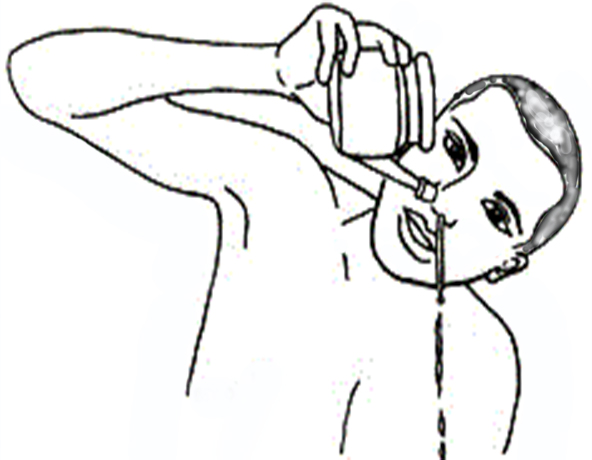
- Learn the standing position and head angle before introducing flow.
- Use a gentle, unforced approach and stop if coordination is lost.
- Allow the practice to finish before changing sides or repeating.
- Complete the drying or finishing routine taught by your teacher.
- Wash and dry the equipment carefully after practice.
Breathing and Attention
Follow the breathing method taught for your specific Neti variation. Do not improvise breath holding. Keep attention on comfort, coordination and the teacher’s sequence instead of trying to increase speed or volume.
Common Mistakes
- Improvising water preparation.
- Forcing the flow when the position is not working.
- Using an unclean or shared vessel.
- Skipping the finishing routine.
- Trying Sutra Neti without direct supervision.
- Repeating the practice frequently without feedback from a qualified teacher.
Practice Limits
Stop when the practice causes strong pressure, burning, dizziness, choking, persistent discomfort or difficulty coordinating the flow. Do not continue simply to complete a set number of repetitions. Learn Neti and its finishing methods directly from a qualified yoga teacher.
Why Direct Instruction Matters
Small changes in head angle, vessel position and finishing technique can make a large difference to how Neti feels. Written instructions cannot observe whether a practitioner is forcing the flow or skipping an important preparation step. Direct teaching also gives the learner a chance to ask about equipment cleaning and how the practice is completed within that particular yoga tradition. For this reason, SarvYoga treats this article as orientation rather than a stand-alone practical lesson.
Equipment Care and Practice Hygiene
Keep the vessel for personal use and clean it carefully after each session according to the manufacturer’s directions and the method taught by your teacher. Allow it to dry fully before storage. Do not consider equipment care a separate detail; it is part of learning the practice responsibly. Replace damaged equipment rather than improvising with an unsuitable container.
Keeping a Simple Practice Record
When learning with a teacher, it can be useful to note the variation practised, the preparation method you were taught and any questions that arose. This helps prevent accidental changes to the sequence between lessons. The aim is not to increase frequency or intensity, but to keep the method consistent while you are still learning it.
Frequently Asked Questions
Can I learn Neti Kriya only from an article?
No. An article can explain context and terminology, but the practical details are better learned in person from a qualified teacher.
Is Sutra Neti a beginner practice?
It should be treated as a specialised teacher-led practice rather than a beginner self-practice.
How often should Neti be practised?
There is no universal schedule that suits every practitioner. Follow the frequency taught in your yoga tradition and avoid increasing it without a reason.