
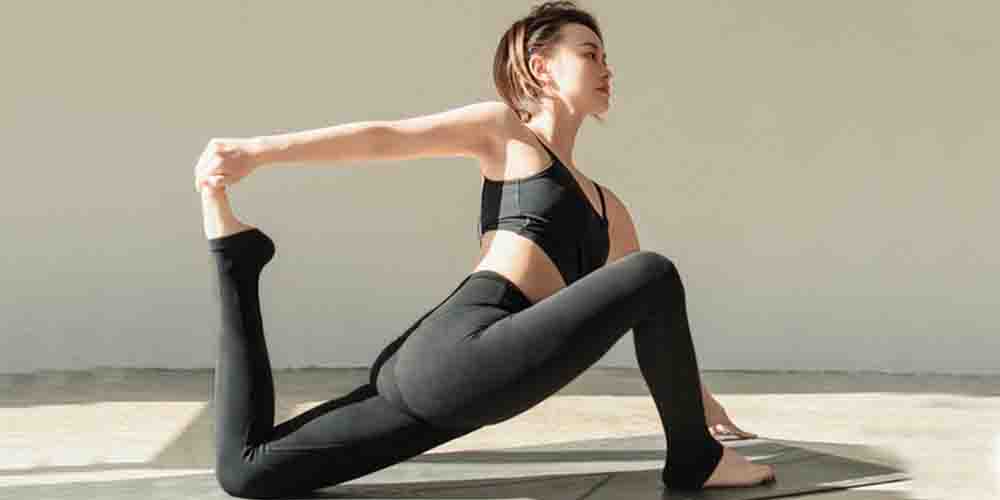
Practising yoga at home can be convenient, private and inexpensive. A useful home practice does not require complicated equipment or advanced flexibility. It requires a safe space, a manageable sequence and enough attention to notice when a movement should be modified or stopped.
The aim is not to copy the deepest version of every posture. Begin with simple movements that allow steady breathing and controlled transitions.
Navigator
1. Prepare a Safe Practice Space
- Choose a flat, uncluttered area with enough room to lie down and extend your arms.
- Move sharp furniture, loose rugs, pets and electrical cables away from the practice area.
- Use comfortable ventilation and lighting.
- Keep a wall or stable chair nearby when balance support may be useful.
- Avoid practising on a slippery surface.
2. Use Simple Equipment
A yoga mat is helpful but not mandatory when the floor is stable and comfortable. Household items can support a beginner practice:
- a folded blanket for knees or seated posture;
- a firm cushion under the hips;
- a stable chair for balance or seated alternatives;
- a strap or long towel for reach;
- two firm blocks, or stable substitutes that cannot collapse.
Do not use unstable furniture or stacked objects that may slide.
3. Choose the Right Time
Select a time when you are unlikely to be interrupted. Ten consistent minutes can be more realistic than an occasional long session. Avoid strong movement immediately after a large meal, and allow enough time for digestion and comfort.
Morning practice may help establish consistency, while an evening session may be quieter and gentler. The best time is the one you can follow regularly without rushing.
4. Start With a Clear Intention
Before moving, decide what the session is for. A beginner intention may be:
- gentle mobility;
- posture and balance awareness;
- relaxation after work;
- regular breathing practice;
- learning a small group of foundational poses.
A narrow purpose makes it easier to choose an appropriate sequence.
5. Follow a Simple Order
A balanced home session can follow this structure:
- Arrival: Sit or stand comfortably and observe natural breathing.
- Warm-up: Move the shoulders, wrists, ankles and spine gently.
- Standing practice: Use simple postures for alignment and balance.
- Floor practice: Add comfortable seated, kneeling, prone or supine movements.
- Breathing: Practise quiet, unforced breathing.
- Rest: Finish with stillness rather than stopping abruptly.
A 15-Minute Beginner Home Sequence
- Comfortable sitting or standing breathing — 1 minute.
- Shoulder circles and gentle neck movements — 1 minute.
- Tadasana — 4 to 6 steady breaths.
- Tiryaka Tadasana — 2 gentle rounds per side.
- Kati Chakrasana — slow, comfortable turns.
- Hands-and-knees spinal movement within a pain-free range — 1 to 2 minutes.
- Low Bhujangasana — 2 or 3 gentle repetitions.
- Supported Sukhasana with natural breathing — 2 minutes.
- Lie down or sit comfortably for quiet rest — 2 to 3 minutes.
Skip any movement that is unsuitable for your body. The sequence is an example, not a compulsory prescription.
6. Keep Breathing Naturally
For general beginner practice, avoid holding the breath. Breathe quietly through the nose when comfortable, and allow the movement to remain smooth. If breathing becomes strained, reduce the effort or come out of the posture.
Strong breath retention, rapid breathing and advanced pranayama should not be learned from a short written guide alone.
7. Know the Difference Between Effort and Pain
Mild muscular effort or a gentle stretch can occur during practice. Sharp pain, pinching, numbness, dizziness, nausea, unusual breathlessness or joint instability are reasons to stop.
Do not force a posture because a photograph or video shows a deeper range. Bodies differ in proportion, mobility, strength, injury history and daily condition.
8. Use Online Videos Carefully
- Choose instructors who explain modifications and contraindications.
- Pause the video when transitions move too quickly.
- Do not attempt headstands, strong backbends or forceful breathing without direct instruction.
- Avoid programmes that promise medical outcomes, rapid weight loss or certain results.
- Check whether the session level and duration suit your current ability.
9. Build Consistency Gradually
Begin with three short sessions each week. Keep the same basic movements long enough to learn them rather than changing the entire routine daily. Add time or complexity only when breathing, balance and recovery remain comfortable.
A simple practice log can record the date, duration, poses practised and any discomfort. This helps identify patterns without turning yoga into a competition.
10. When to Use Teacher Guidance
Use qualified yoga-teacher guidance when a beginner sequence needs individual modification, when balance is uncertain or when a movement cannot be practised with ordinary breathing and a comfortable range.
A qualified yoga teacher can help select a shorter sequence, stable props and simpler variations that suit the practitioner’s current movement and balance.
Common Home-Practice Mistakes
- Starting with advanced postures.
- Skipping the warm-up and final rest.
- Holding the breath during effort.
- Following a video despite pain.
- Using unstable props.
- Practising too long before building consistency.
- Comparing your range of motion with another person.
Related SarvYoga Guides
Frequently Asked Questions
How long should a beginner practise yoga at home?
Start with 10 to 20 minutes. Increase gradually only when the practice remains comfortable and does not interfere with recovery or daily responsibilities.
Can I practise without a yoga mat?
Yes, when the surface is stable, clean and not slippery. Add padding where the knees, hips or spine need support.
Should beginners practise yoga every day?
Daily practice is not required. Three manageable sessions each week may be easier to sustain. Gentle breathing or quiet sitting can be used on other days.
Can written instructions replace a teacher?
No written guide can observe your alignment, symptoms or individual restrictions. Use qualified guidance for complex postures, injuries and health-related adaptations.